
The Teachers College
Where Emporia State University started in 1863
We offer nationally recognized programs and student-focused learning environments that give you real-world classroom experiences. Whether you're just starting out, or are a practicing professional looking to advance or change your career, The Teachers College is here to serve you.

Schedule a Campus Visit
We look forward to meeting you! Schedule your campus visit today.
Explore The Teachers College
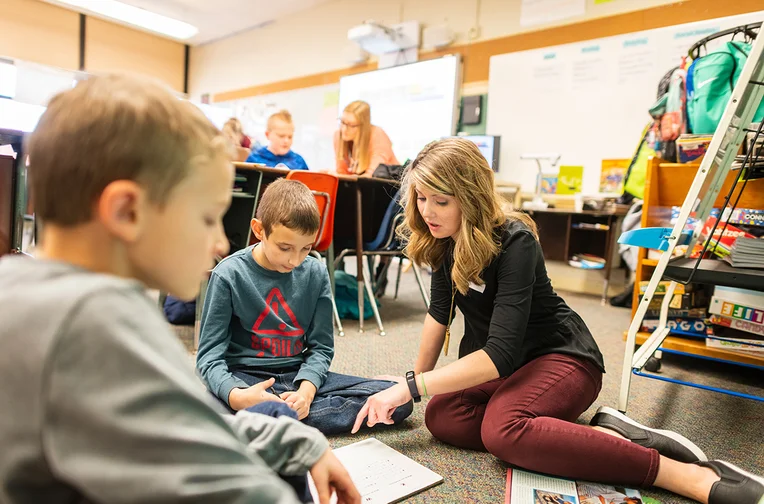
Elementary Education / Early Childhood / Special Education
Undergraduate program in Elementary Education, graduate programs in Instructional Specialist with concentrations in Reading Specialist PK-12/Elementary Content/Elementary STEM, a master’s degree in Early Childhood Unified Education (Birth to Age 8 or Birth to K), a master’s degree in special education and a master's degree in elementary education.
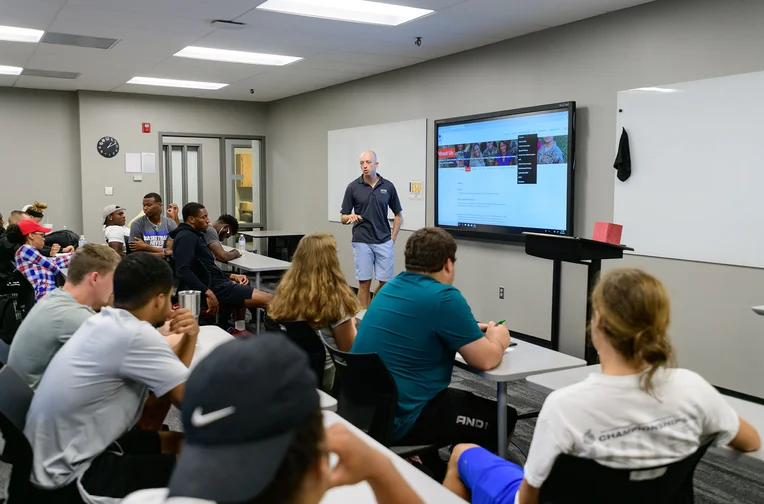
School Leadership / Middle + Secondary Teacher Education
Undergraduate program in secondary education with 16 teaching fields to choose from and graduate programs in curriculum and instruction, educational administration and teaching.
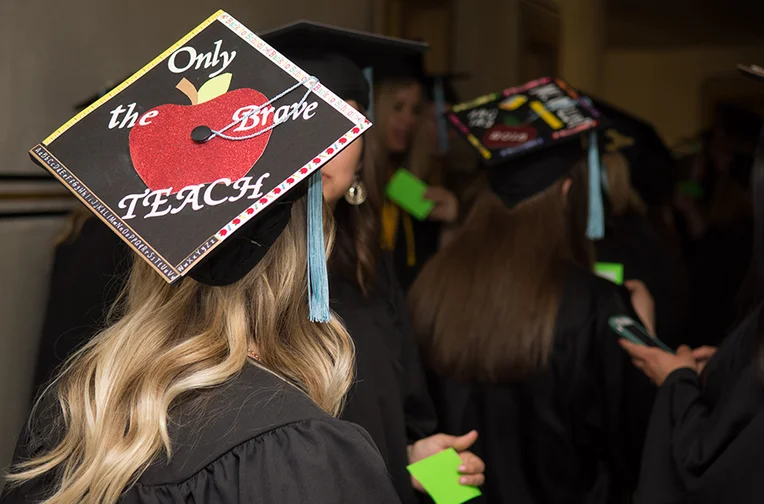
Field Placement + Licensure
Field Placement + Licensure offers guidance and information in the areas of licensure, field experience, restricted licensure for career changes, student teaching and coordination of the Family Literacy Program.
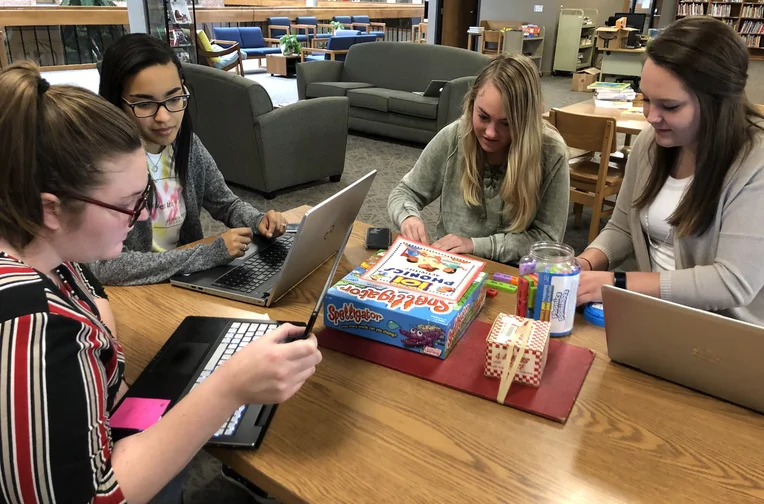
Services, Resources + Centers
The Teachers College offers centers and services for students and professionals.

About the College
Everything you could want to know about our people, accreditations, leadership, history, and awards.
FEATURED PROGRAMS
Learn more about some of our featured programs. See all of our undergraduate programs and/or all of our graduate programs.
Elementary Education
Bachelor of Science in Education
Elementary Education Paraeducator Option
Elementary Education
Secondary Education
Bachelor of Science in Education
Undergraduate admissions
Whether you are a transfer student or first-time student, the admission process at ESU is easy. Head to our admissions page to learn more.
Graduate admissions
Learn what you need to do to start earning your graduate degree from ESU.